
An Ongoing Interest in Tibetan Cultural Heritage
My involvement in Tibetan cultural activities has given me opportunities to learn about traditional arts and craftsmanship through direct participation.
Rather than simply observing finished artworks, I have been able to take part in different stages of traditional textile production, explore Thangka painting and embroidery, and learn from local practitioners.
Through continued participation, I am developing a better understanding of the techniques, knowledge, and care involved in traditional crafts.
My Hands-on Activities
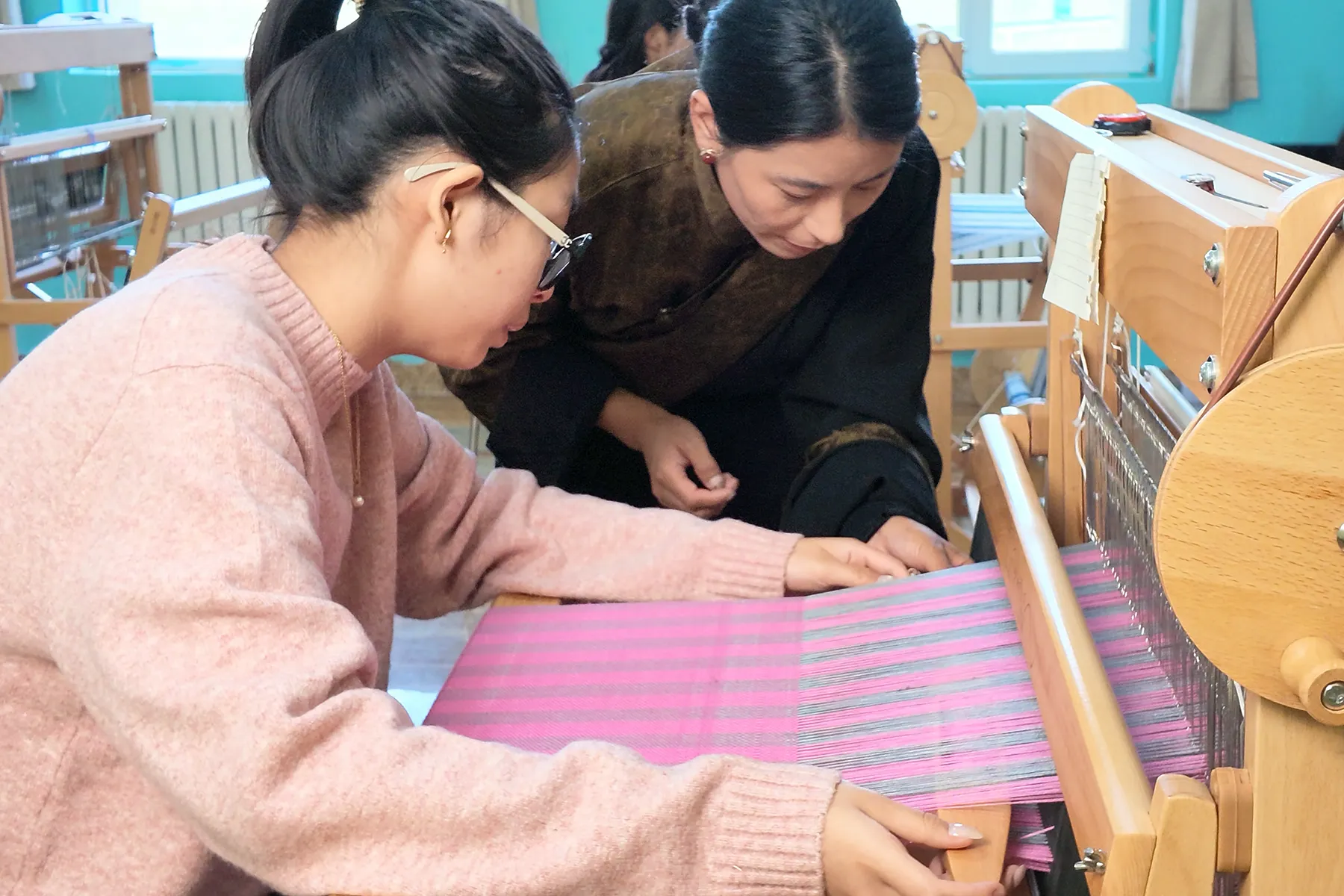
01 - Traditional Textile Making
I have participated in several stages of textile production, including yarn handling, dyeing, thread preparation, loom threading, and weaving.
These practical activities have allowed me to explore how individual threads are prepared and gradually transformed into woven fabric.
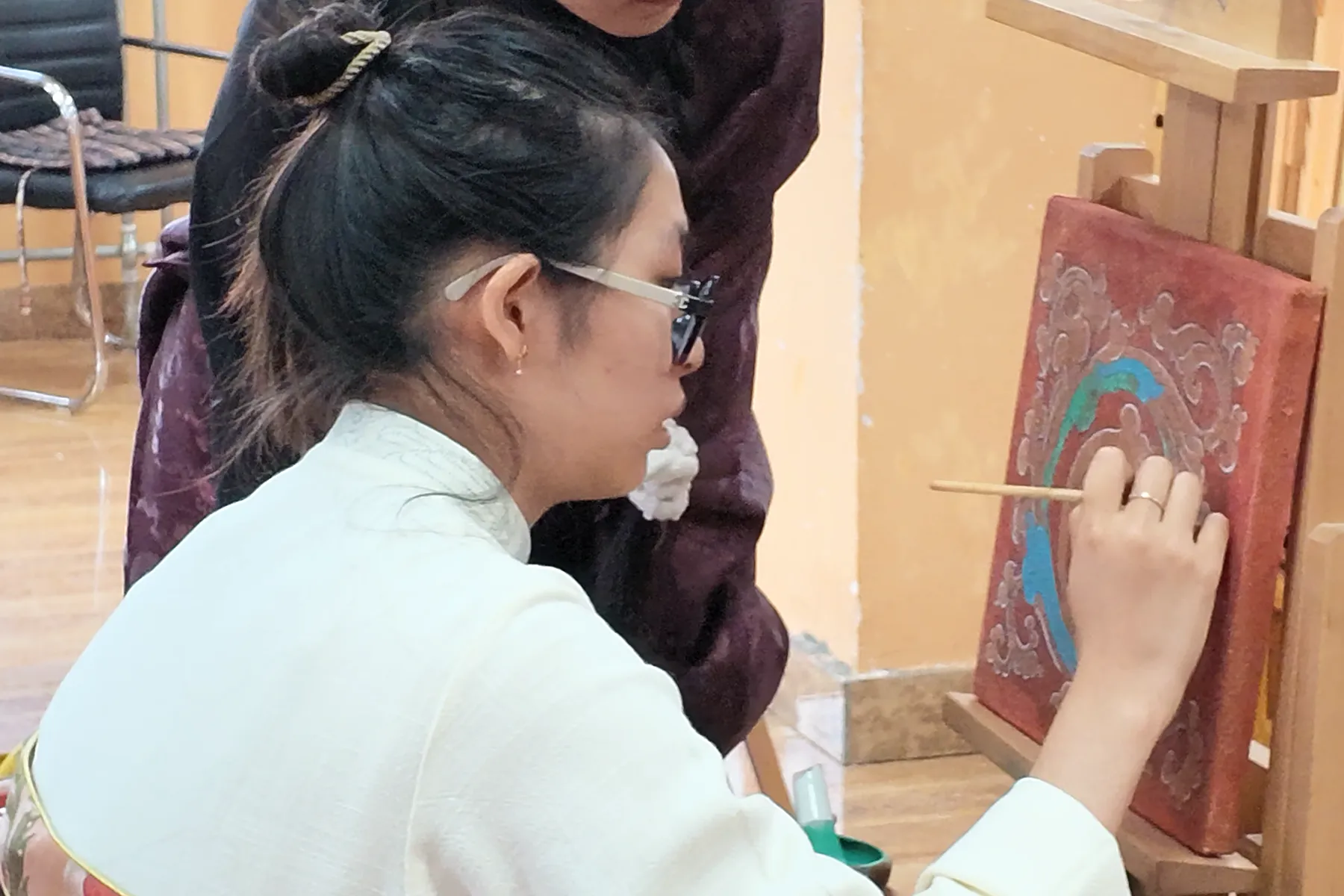
02 - Thangka Painting
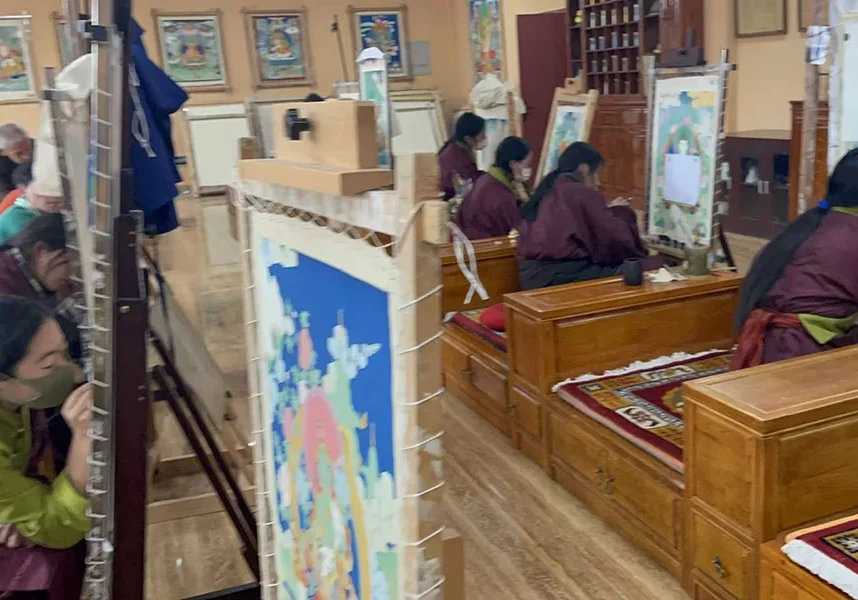
I have also had opportunities to practice aspects of traditional Thangka painting, including brushwork and color application.
Learning about this art form has introduced me to the precision and established artistic traditions involved in its creation.
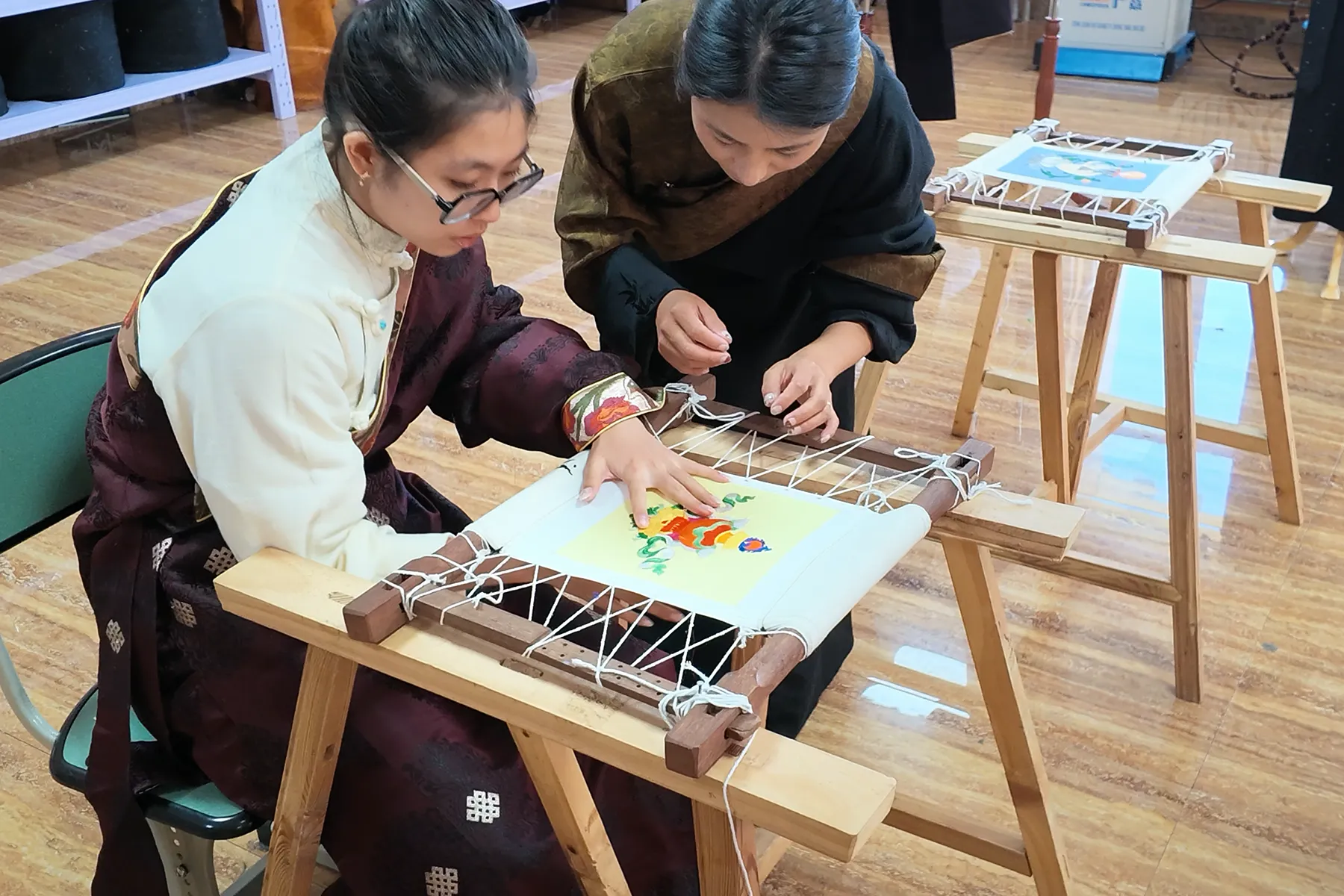
03 - Traditional Embroidery
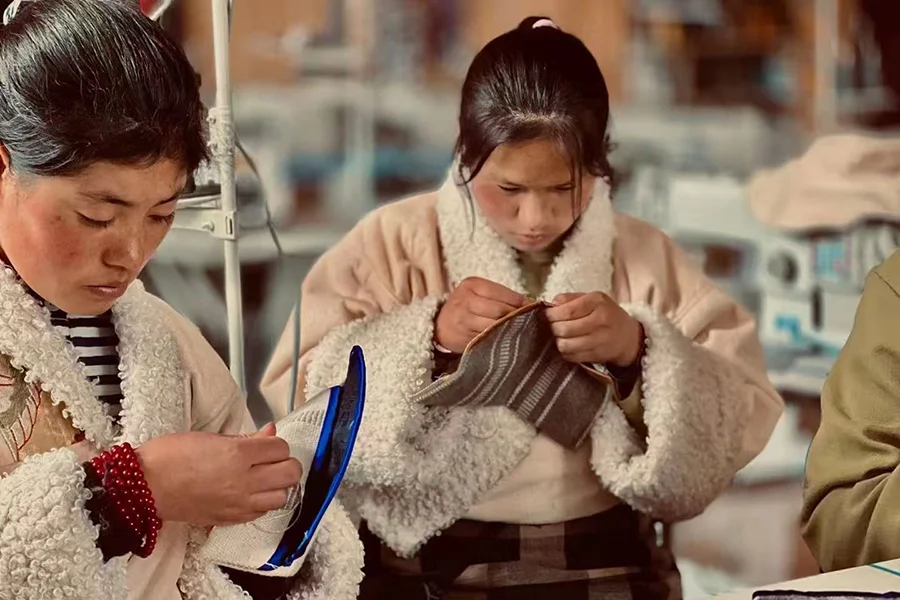
Through guided embroidery activities, I have practiced working with threads and fabric while learning about decorative textile techniques.
These experiences have introduced me to another form of traditional craftsmanship and its careful, hands-on processes.
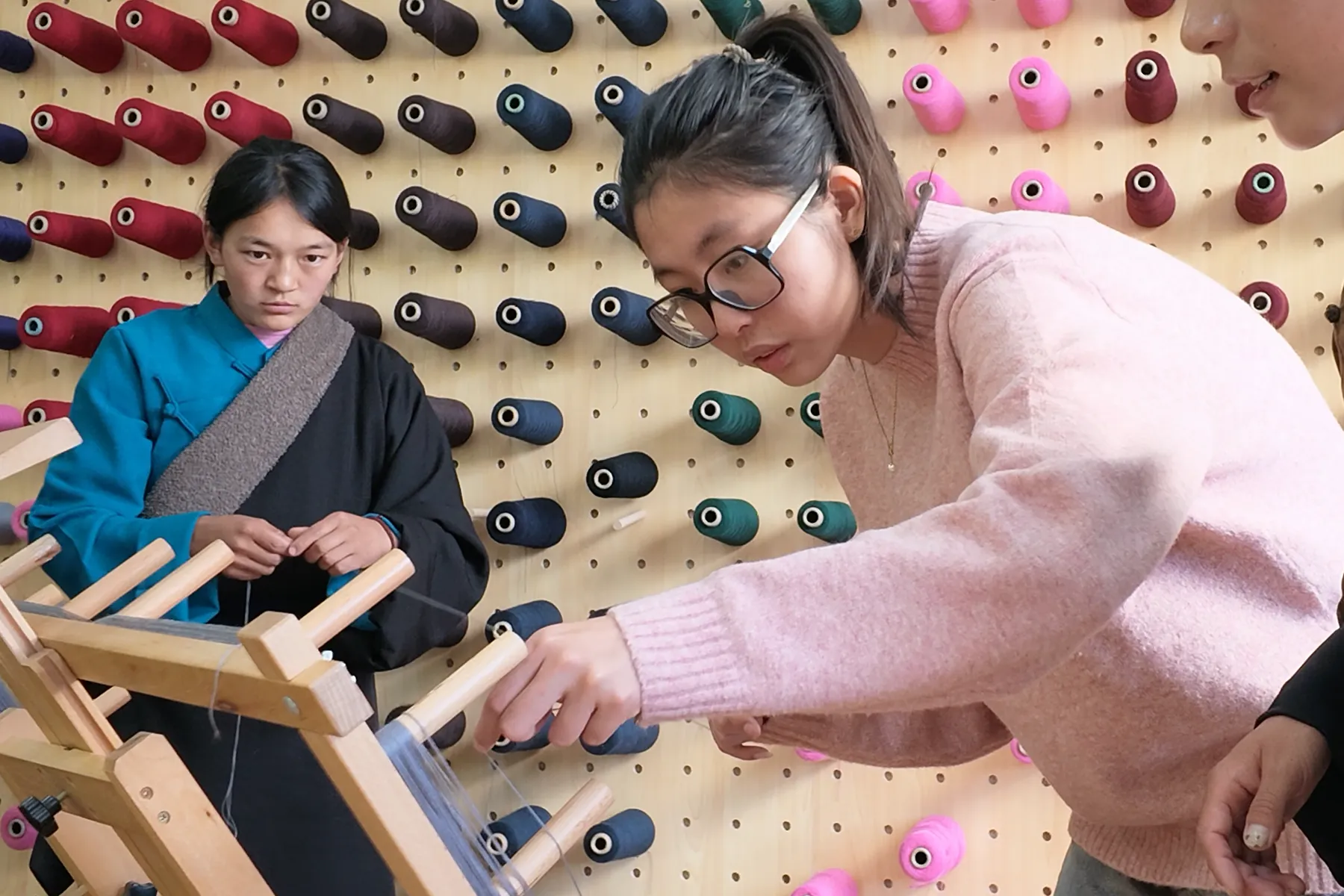
Learning by Practicing
One of the most valuable aspects of my participation is the opportunity to work directly with traditional materials and tools.
In textile-making activities, I have observed and practiced different steps, from preparing yarn to working with a loom.
These experiences have given me a closer view of the careful preparation and skilled work involved in traditional craft production.
Learning from Experienced Artisans
Working alongside local artisans has been an important part of my cultural learning.
Through observation, demonstrations, and guided practice, I have had opportunities to learn techniques from people with direct experience in traditional craftsmanship.
Their guidance helps me better appreciate the knowledge and practical skills involved in these art forms.
Beyond Craftsmanship: People and Culture
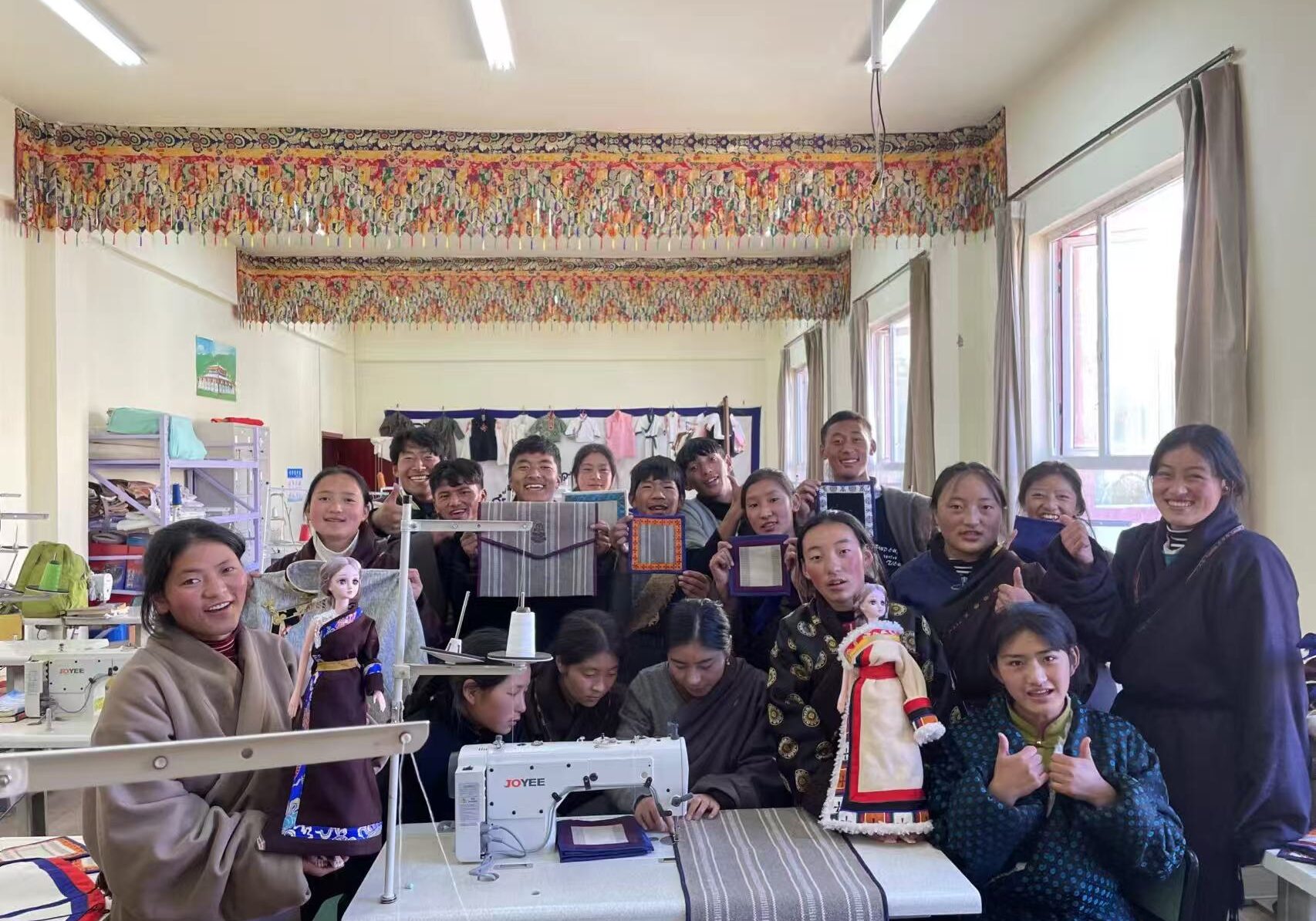
My participation has also provided opportunities to experience the working environment of traditional craft workshops and engage with people involved in these cultural activities.
I believe learning about cultural heritage involves more than studying objects or finished artwork. It also requires attention to the people, practices, and knowledge connected to them.
Learning Through Experience
Explore the traditional crafts, hands-on activities, and personal reflections that form part of Candy's continued cultural learning.